
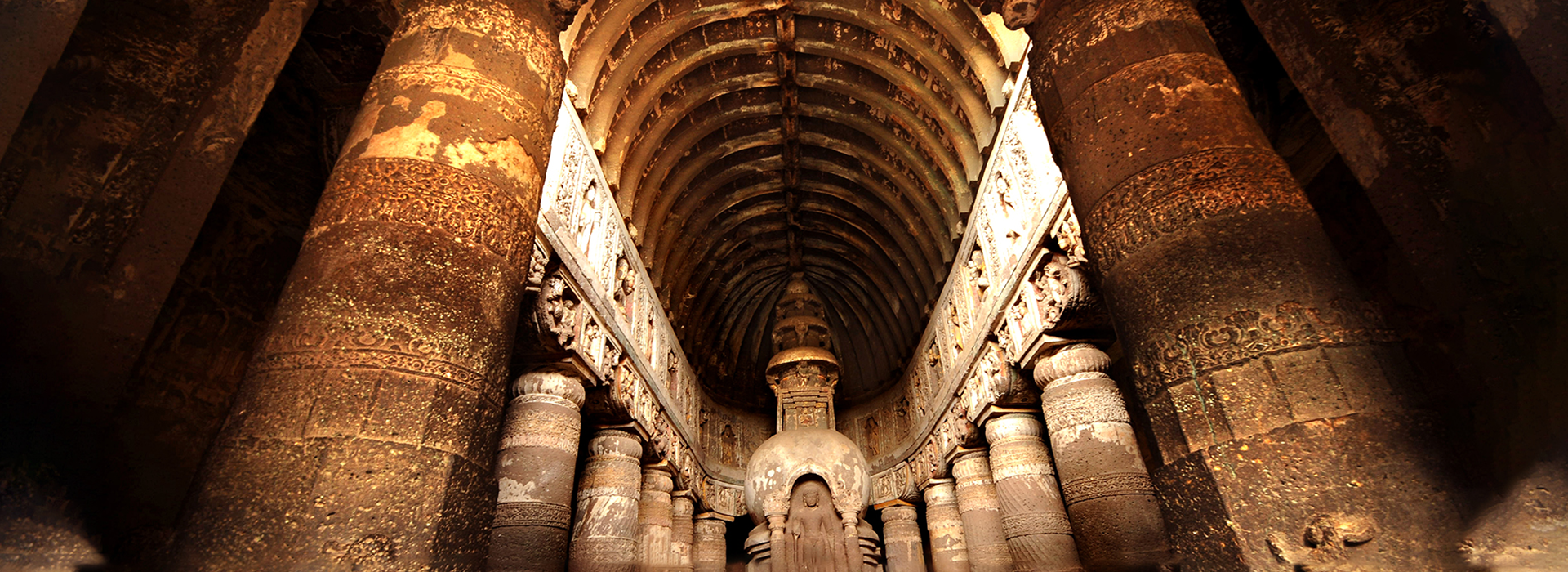
The Ajanta Caves, a UNESCO World Heritage Site, are located about 100 kilometers (62 miles) from Aurangabad in the state of Maharashtra, India. Nestled in a secluded rocky gorge, these 30 rock-cut Buddhist caves date back to the 2nd century BCE to about 650 CE. The caves are renowned for their stunning frescoes, intricate sculptures, and significant historical context, making them a must-visit for history buffs, art lovers, and spiritual seekers alike.
Key Attractions & Activities
-
Buddhist Caves: The caves showcase remarkable
rock-cut architecture and intricate carvings. Key caves to visit
include:
- Cave 1: Famous for its beautiful wall paintings depicting the Jataka tales.
- Cave 2: Known for its stunning entrance and exquisite sculptures.
- Cave 17: Renowned for its magnificent chaitya (prayer hall) and murals.
- Cave 26: Features a massive statue of the Buddha and intricate carvings.
- Frescoes and Murals: The Ajanta Caves are home to some of the finest examples of ancient Indian painting. The frescoes vividly depict the life of the Buddha, various Jataka tales, and daily life in ancient India.
- Cave Exploration: Visitors can explore the caves at their own pace. The peaceful environment and stunning artwork make it a perfect spot for contemplation and reflection.
- Nature Walks: The surrounding area offers beautiful scenic views and lush greenery. There are pathways and trails for leisurely walks, allowing visitors to appreciate the natural beauty of the region.
- Guided Tours: Hiring a guide can enhance your experience as they provide valuable insights into the history and significance of the caves, explaining the symbolism in the artwork.
Cultural & Historical Significance
The Ajanta Caves hold immense cultural and historical importance as they represent the zenith of Buddhist art in India. The paintings and sculptures reflect the socio-economic and religious life of ancient India, illustrating the evolution of Buddhist thought and practice. The caves were rediscovered in the early 19th century by a British officer, John Smith, and have since become a crucial part of India’s heritage, attracting scholars and tourists from around the world.
Travel Tips for Visitors
Comfortable Clothing: Since the caves are located in a semi-arid region, lightweight, breathable clothing is advisable. Comfortable walking shoes are essential as you’ll be exploring uneven terrain.
Water Bottle: Stay hydrated, especially during the warmer months.
Sun Protection: Sunscreen, hats, and sunglasses are recommended, as you’ll spend time outdoors.
Camera: While photography is restricted inside some caves, capturing the stunning views of the surrounding landscape is encouraged.
Notebook or Sketchbook: If you're an art enthusiast, bringing along a notebook or sketchbook can be a great way to document your observations.
How a Road Trip Can Be Useful
A road trip to Ajanta Caves can be a rewarding experience, especially if you’re traveling from Aurangabad or nearby cities like Nashik or Pune. The journey through the scenic countryside offers stunning views of the Western Ghats and rural Maharashtra. Roads leading to the caves are well-maintained, and the drive is pleasant. Visitors can make stops at local villages or roadside eateries to experience the local culture and cuisine.
Where to Stay
Aurangabad: There are numerous hotels ranging from budget to luxury accommodations in Aurangabad, which is the nearest major city to the caves.
Cave Resorts: Some resorts near the caves offer unique stays, allowing you to enjoy nature and relax after a day of exploring.
Guesthouses: Budget travelers can find several guesthouses and hostels in Aurangabad for economical options.
What to Expect During Your Visit
Visitors can expect a fascinating blend of art, history, and spirituality at the Ajanta Caves. The site is usually less crowded during weekdays, making it a peaceful destination for exploration. The entrance to the caves requires a nominal fee, and there are facilities like restrooms and small shops selling snacks and souvenirs nearby.
Expect to spend at least half a day exploring the caves. The mesmerizing murals and sculptures will transport you back in time, offering a glimpse into ancient Buddhist culture. As you walk through the caves, the serenity of the surroundings adds to the experience, allowing for moments of reflection and appreciation of the craftsmanship.